Features of GRC
As a hands-on GRC manufacturer in UAE, we design every panel and decorative element around the following core features. Each one plays a direct role in why GRC has become the material of choice for architects and contractors across the region.
Lightweight Construction
GRC panels typically weigh only 25-30% of an equivalent-sized precast concrete or natural stone panel. This dramatic weight reduction lowers the dead load transferred to the building’s structural frame, allowing engineers to specify lighter support systems, smaller foundations, and more economical steel or concrete framing — without compromising the visual mass and depth that heavier materials provide.
High Tensile and Flexural Strength
The alkali-resistant glass fiber reinforcement running through the cement matrix gives GRC a tensile and flexural strength far superior to plain concrete. This means panels can span greater distances, incorporate thinner sections, and resist bending or impact forces — such as wind loads or accidental knocks during handling and installation — without cracking or failing.
Fire Resistance
Because GRC is fundamentally a cement-based material, it is non-combustible and does not emit toxic fumes when exposed to heat. This makes it a preferred choice for fire-rated facades, escape routes, and internal partitions in high-rise buildings, hotels, and public developments where fire safety compliance is non-negotiable.
Weather and UV Resistance
The UAE’s climate — intense sun, extreme summer heat, high humidity, and periodic sandstorms — puts enormous stress on exterior building materials. GRC is formulated to resist UV degradation, thermal cycling, and moisture ingress, meaning panels retain their color, texture, and structural integrity even after years of direct exposure.
Exceptional Design Flexibility
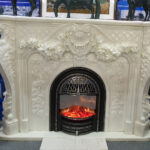
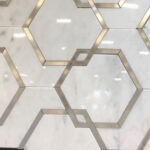
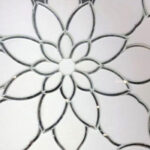
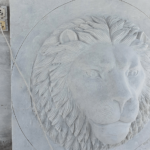
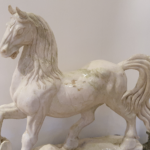
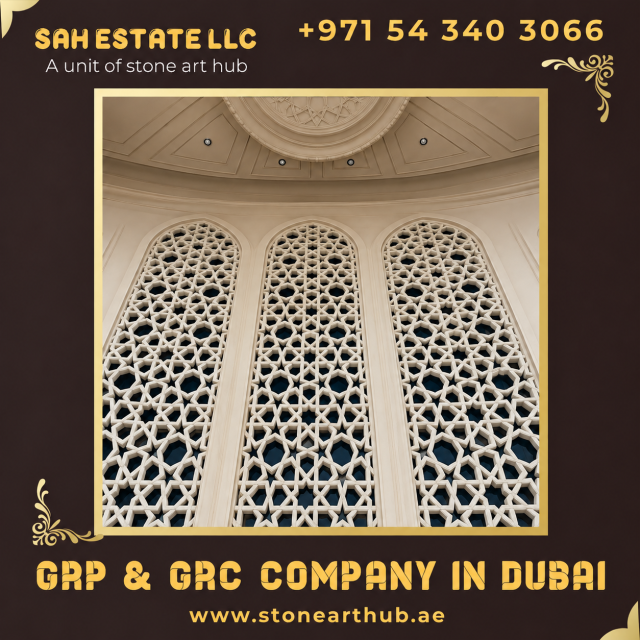
Because GRC is cast in molds rather than cut or extruded, it can replicate almost any shape imaginable — from smooth contemporary panels to deeply carved Islamic motifs, parametric geometric patterns, domes, and curved facades. This freedom allows architects to pursue ambitious design concepts that would be structurally or financially unworkable in solid stone or standard precast concrete.
Low Water Absorption
High-quality GRC mixes are engineered for low porosity, reducing water absorption significantly compared to ordinary concrete. This directly improves the material’s resistance to freeze-thaw damage (relevant for imported or exported applications), efflorescence, and long-term staining, keeping facades looking clean and consistent over time.
Low Maintenance Requirements
Once installed, GRC elements require minimal ongoing care. Routine washing to remove dust or airborne salts is generally sufficient to maintain appearance, and the material does not need repainting, resealing, or structural repair under normal conditions — a significant cost saving over a building’s lifecycle.
Dimensional Accuracy and Consistency
Because GRC is produced in controlled factory conditions using precision molds, every panel in a production run is dimensionally consistent. This consistency simplifies on-site installation, ensures clean joint lines across large facades, and reduces the on-site rework that often occurs with hand-cut natural stone.
Acoustic and Thermal Performance
GRC panels, particularly when used with insulated backing systems, contribute to improved acoustic insulation and thermal performance within a building envelope. This supports energy efficiency goals and enhances occupant comfort, both of which are increasingly important considerations under UAE green building regulations.
Eco-Friendly Production
GRC uses significantly less raw material than solid precast concrete or natural stone of equivalent size, and the manufacturing process generates comparatively little waste. Combined with reduced transportation weight and a long service life, GRC represents a lower-impact material choice across its full lifecycle.
Rapid and Efficient Installation
The light weight and factory-finished surface of GRC panels translate directly into faster on-site installation. Fewer crew members and lighter lifting equipment are needed, and because panels arrive finish-ready, there is no need for on-site cutting, polishing, or sealing — shortening overall project timelines.
Excellent Surface Finish Options
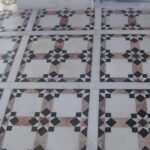
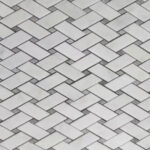
GRC can be cast with a wide variety of surface finishes, including smooth, sandblasted, exposed aggregate, or stone-replica textures. This versatility allows the material to convincingly mimic natural stone, brick, or timber at a fraction of the weight and cost, giving architects the freedom to specify premium-looking facades within realistic budgets.